Your facility requires regular sanitation protocols tailored to specific risks, daily throughput, allergen management, and regulatory visits, with verifiable documentation validating food safety measures, compliance audits, and public health regulations. The information following provide details about essential cleaning protocols.
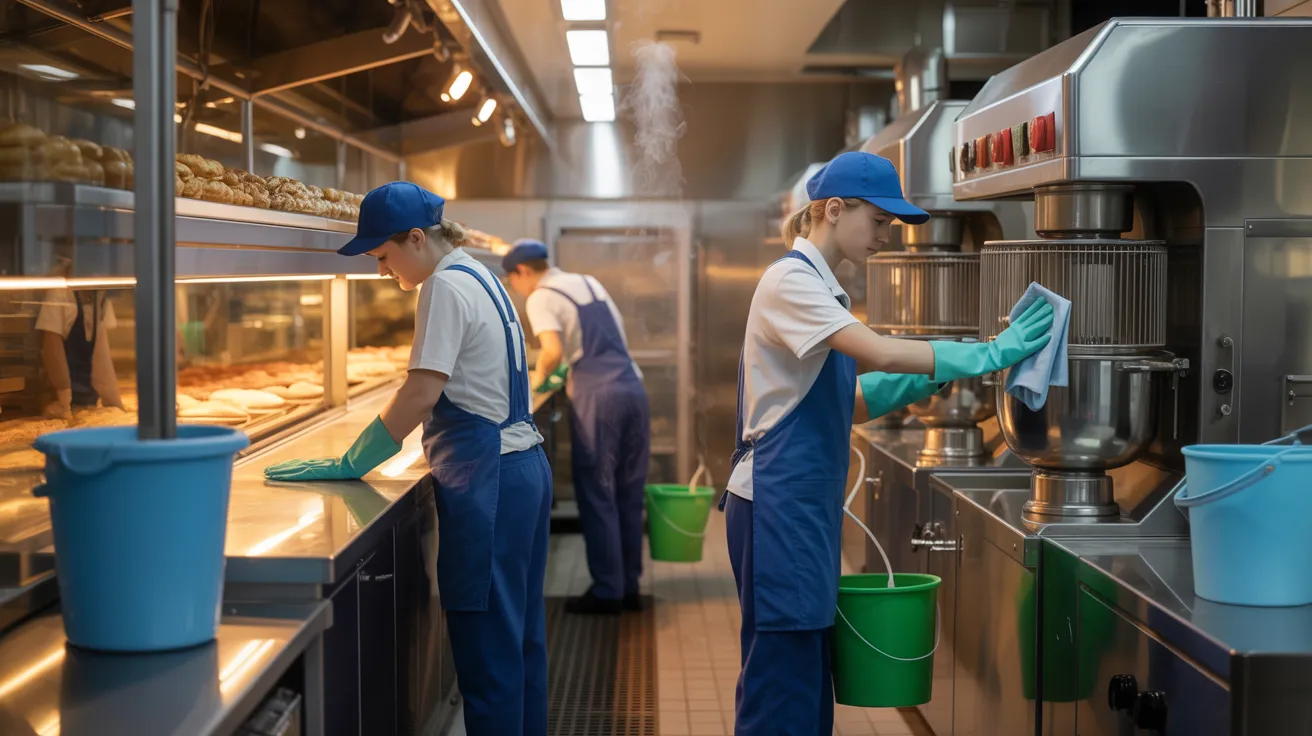
Important Highlights
- Food safety cleaning professionals from Brampton assist restaurants, grocery departments, commissaries, warehouses, bakeries, schools, mobile vendors, and allergen-sensitive operations.
- They sanitize high-touch surfaces, food-contact equipment, kitchens, floors, drains, restrooms, and storage areas using area-specific procedures to eliminate cross-contamination.
- Approved sanitizer dilution, compatibility, and contact time are verified by qualified providers, with finishing logged via tests, inspections, and action records.
- Threat, output capacity, changeovers, incidents, and guidelines must direct hygiene schedules, with daily, periodic, and periodic operations designated by zone.
- Protection, colour-coded tools, HACCP, health regulatory knowledge, WHMIS education, references, and inspection-ready cleaning paperwork are critical contractor traits.
Which Brampton Venues Need Food Safety Cleaning?
Food safety cleaning is essential for any Brampton facility that deals with, keeps, prepares, packages, or provides food. Apply it to your business if it comes under health inspections, food codes, or HACCP requirements. This includes restaurants, cafeterias, commissaries, grocery food departments, butcher shops, seafood counters, convenience stores, and institutional kitchens.
You also need compliant food safety cleaning in distribution centers, food processing plants, freezer facilities, commercial bakeries, educational nutrition programs, event spaces, and catering hubs. Mobile and temporary operations count too, including food trucks, event vendors, and temporary booths. If your staff prepare raw materials, portion finished foods, warm up meals, or maintain allergen storage, your facility needs written cleaning standards. In Brampton, cleanliness isn't voluntary; it's part of legal, operational, and consumer protection compliance.
What Do Brampton Cleaning Experts Clean?
You need professional cleaners who disinfect frequently contacted areas, kitchen areas, floors, and bathrooms to meet food safety and public health standards. They target these areas because they present the highest risk for cross-contamination, slip hazards, and hygiene violations.
Knowing their service areas allows you to confirm your facility's cleaning meets operational demands and regulatory compliance.
Cleaning High-Touch Zones
organize disinfection frequency based on activity levels, infection risk, and how the space is used.
confirm that sanitization has adequate
Kitchen Areas, Floor Surfaces, and Bathroom Spaces
Professional cleaners in Brampton prioritize kitchens, floors, and restrooms given that each location involves distinct contamination control, falling hazards, and health code requirements. In industrial kitchens, you need degreasing on cook lines, equipment exteriors, drains, prep surfaces, and splash zones to minimize bacterial growth and pest activity.
Floor care that is recorded should also be anticipated. Technicians clean and remove buildup from grout, tile, and vinyl flooring, then apply correct drying techniques so you can reduce slip incidents and meet regulatory standards. They also handle entryways where moisture and debris migrate indoors.
Restroom sanitation involves disinfecting surfaces, fittings, separators, dispensers, and containers, replenishing amenities and managing odor. They also service restaurant moprooms, where chemical storage, sink hygiene, and drainage conditions can affect sanitation compliance and staff safety daily.
The Importance of Food Safety Cleaning in Brampton
In Brampton, you must maintain food-safe cleaning standards to meet regulatory standards and achieve compliance. You also minimize cross-contamination by cleaning and sanitizing food-contact surfaces, equipment, and high-touch areas correctly. Most importantly, you help protect public health by lowering the risk of foodborne illness in your facility.
Health Code Compliance
Because Brampton food operations operate under stringent health requirements, food safety cleaning directly impacts your capability to fulfill health code requirements, ensure the safety of customers, and eliminate enforcement action. You must maintain sanitary food-contact surfaces, verifiable cleaning logs, safe chemical management, and auditable operational standards that correspond to municipal and provincial inspection expectations.
Retaining well-maintained cleaning files demonstrates due diligence for inspection audits and confirms that your operations are consistent, replicable, and documented.
Cross-Contamination Prevention
Following health code standards depends on your ability to prevent cross-contamination in routine food work and sanitation. You should isolate raw items from prepared foods, sanitize prep surfaces between tasks, and maintain separation of cleaning products from food. Well-defined guidelines decrease contamination chances and support consistent compliance during inspections.
Building allergen isolation prevents priority allergens from contacting shared surfaces, containers, or equipment. Leverage separate cutting boards, colored implements, and strict utensil labeling so staff don't mix items in cooking or serving.Enforce handwashing after handling uncooked meats, shellfish, egg items, or allergen substances. Refresh cleaning cloths frequently, and confirm sanitizer strength with test strips. When you train staff to follow these controls every shift, you foster a cleaner, more secure operation that exceeds Brampton's safety standards consistently.
Public Health Protection
When food safety cleaning fails, you don't just face inspection failure—you heighten the likelihood of foodborne illness impacting customers, staff, and the wider Brampton community. You also weaken your role in protecting public health, especially in busy food facilities where contamination can spread quickly through surfaces, equipment, and touchpoints.
You need sanitation systems that remove contaminants, disinfect appropriately, and confirm results. This involves maintaining contact periods, using authorized sanitizers, documenting procedures, and educating staff to meet health-unit expectations. These measures prevent illness spread by minimizing pathogens before reaching surfaces or food. Throughout Brampton, effective sanitation protects vulnerable communities, minimizes disease potential, and demonstrates accountability. evidence When you adhere to standards, you go beyond requirements—you lower hazards and enable safer food service throughout the area.
In What Ways Does Cleaning Help Achieve Food Safety Compliance?
Thorough cleaning protocols strengthen food safety compliance by decreasing contamination threats, preventing pathogen multiplication, and keeping your facility aligned with sanitation requirements under HACCP-based programs and public health regulations. You confirm that food-contact surfaces remain visibly clean and microbiologically controlled, backing documented preventive controls and inspection readiness.
Cleaning programs additionally bolster allergen control by clearing residues that can trigger undeclared allergen exposure.
Determining When to Arrange Commercial Cleaning
Establish cleaning schedules based on risk, production volume, and regulatory requirements instead of relying solely on a set calendar. You should arrange regular cleaning every day
Arrange your periodic tasks from standard cleaning
Finding Quality Brampton Cleaning Experts: A Guide
Evaluate providers first by sanitation compliance standards rather than price alone. You must ensure each provider understands CFIA, public health, and HACCP requirements for your business. Request insurance proof, WHMIS compliance, staff training documentation, and supervision methods. Check technician awareness of cross-contamination risks, chemical safety, and documented sanitation practices.
You should further examine operational reliability and answerability. Request references from food facilities in Brampton, then review reply speed, corrective action plans, and communication protocols. Validate the company facilitates supplier audits and can supply compliance documentation to authorities or external parties. Confirm equipment is maintained, colour-coded tools are applied correctly, and facility-specific risks are recognized. A qualified provider ensures regulatory compliance, product quality, and your reputation in the market.
Which components are contained in a hygiene cleaning program?
Establish a documented program that establishes every sanitation task, standard, and responsibility ahead of production commencement. You should list cleaning frequencies, approved chemicals, dilution rates, contact times, tools, and verification methods for each zone, surface, and piece of equipment. Add pre-operational inspections, corrective actions, and employee training requirements.
Your plan should also focus on cross-contamination controls, waste handling, pest-prevention measures, and documented schedules for restrooms, drains, floors, and food-contact areas. Describe how you'll separate raw and ready-to-eat processes, support ingredient tracking, and ensure accurate allergen labeling through validated cleaning between product changes. You should assign accountability, keep signed records, and assess results against regulatory standards, HACCP controls, and customer requirements. When gaps appear, modify procedures immediately and instruct staff.
Commonly Asked Inquiries
Will cleaning services handle nighttime hours at Brampton facilities?
Yes, you can arrange sanitation coverage to accommodate overnight shifts in Brampton facilities. You'll arrange nighttime cleaning around production windows, security measures, and personnel needs. Services generally outline overnight procedures to reduce disruption, maintain compliance, and record finished work. You should verify arrival timeframes, supervision, lockout procedures, and waste handling before service begins.
Do sanitation professionals offer hazard containment solutions?
Yes, you can locate several Brampton cleaning professionals offering emergency response services. They handle contamination, assess dangers, isolate zones, and execute rapid cleanup to minimize risk and limit operational impact. You should verify response times, certifications, protocols, and disposal methods. If your facility must meet standards, choose a service that documents incidents, maintains standards, and ensures verification.
Do environmentally safe disinfectants operate safely on food-contact surfaces?
Definitely, plant-based sanitizers work safely on surfaces contacting food if you buy disinfectants approved for food contact that meet regulatory standards. You should check application timing, concentration levels, and rinse procedures prior to application. Plant based formulas lower toxic chemical contact, but you must have demonstration of efficacy against relevant pathogens. To ensure residue free surfaces, implement manufacturer directions precisely and ensure your disinfecting agent adheres to food sanitation requirements.
Will cleaning plans respond to seasonal shifts?
Yes, you can customize sanitation programs for seasonal shifts. You should adapt schedules, labor allocation, sanitizers, and validation steps to match production rhythms while sustaining compliance standards. You'll minimize operational delays by scheduling sanitization around equipment transitions, peak seasons, and usage cycles. You should additionally revise procedural documents, employee training, and environmental monitoring to reflect transient threats, new allergens, or increased soil loads. Periodic assessments keep your program efficient.
Will commercial cleaners teach your staff on hygiene best practices?
Certainly, commercial cleaners coach your employees on hygiene protocols. You secure staff training on proper chemical use, processing times, contamination control, machine disassembly, and documentation procedures. They generally coordinate instruction with HACCP, GMP, and CFIA or local public health requirements. Many execute health assessments to verify compliance, identify gaps, and strengthen corrective measures. This helps you maintain consistent procedures, satisfy audits, and minimize foodborne pathogen risks daily.
Conclusion
Through working with Brampton commercial cleaning and food safety specialists, you accomplish much beyond organizing—you ensure your facility for inspections and your standards meet requirements. From kitchen spaces to processing areas, all maintained surfaces and kept corners reduce contamination risks and prevent significant costs. Through booking service at proper intervals and adhering to a comprehensive cleaning program, you ensure protection for your team, clients, and your good name. In a tightly controlled regulatory landscape, proper sanitation cannot be considered optional—they are fundamental to success.